AI can now draft ad copy, build a first-pass campaign structure, summarise a month of performance, and spit out five creative concepts before you've finished your coffee. It's useful, and if you run a marketing team or a business that leans on one, you should be using it.
But here's the uncomfortable part nobody in the industry wants to say out loud: a lot of marketing "work" was thin to begin with. Copy nobody checked against the brand guidelines. Campaigns launched and never looked at again. Client requests handled on autopilot, no real thinking involved. AI does that version of the job faster and cheaper than the person who wasn't really doing it properly. If that's what your team's marketing looked like, AI isn't disrupting it. It's exposing it.
Key Summary
- AI is good at the mechanical parts of marketing: drafting, structuring, summarising, generating options fast.
- That exposes work that was already thin: output with no judgement behind it.
- The roles at risk are the ones that were mostly execution with no checking, no context, no pushback.
- The roles that survive are the ones built on judgement calls, client and business knowledge, and relationships AI can't fake.
- The fix is making sure a human does the part AI can't.
- If you can't say what a role adds beyond "does the task," AI will find that role eventually.
What AI Actually Does Well in Marketing Right Now
Be honest about the tools, because pretending they're not good yet is how businesses get blindsided. AI can draft a full set of Google Ads headlines and descriptions in seconds. It can build a first-pass campaign structure (ad groups, targeting, budget splits) based on a brief. It can turn a pile of performance numbers into a clean summary. It can generate a dozen creative directions for a product launch before a human would've finished the brief.
None of that is a party trick anymore. It's a genuine productivity shift, and businesses that ignore it are choosing to work slower for no reason.
But notice what all of that has in common: it's input in, output out. Feed it a brief, get a draft. Feed it numbers, get a summary. That's exactly the kind of task that was always vulnerable to being done badly by a rushed, disengaged human, and it's exactly the kind of task AI now does faster and more consistently than that same rushed, disengaged human.
The Uncomfortable Truth AI Is Exposing
Plenty of marketing roles, at agencies and in-house teams alike, had quietly become "run the process." Pull last month's campaign, swap the creative, change the dates, hit publish. Draft the caption, don't reread it against the tone-of-voice doc, send it. Answer the client's email with whatever's fastest to type, not what's actually true.
That's what happens when a team is stretched and a task starts to feel routine, and nobody is to blame for it. But it means a chunk of "marketing work" was never really about marketing judgement. It was administration wearing a marketing job title. AI is very good at administration. It doesn't get tired, it doesn't skip the brand guidelines because it's 4:45pm on a Friday, and it doesn't need to be managed.
So when a business owner asks "will AI replace my marketing person," the honest answer is: it depends entirely on what that person was actually doing.
A Role That's at Risk (And Why)
Picture a junior campaign coordinator at a mid-sized agency. Their week looks like: take last month's ad set, duplicate it, swap in new creative someone else designed, adjust the budget by whatever percentage they were told, and schedule it. When a client asks how things are going, they pull whatever number looks decent and reply "performing well, keep you posted."
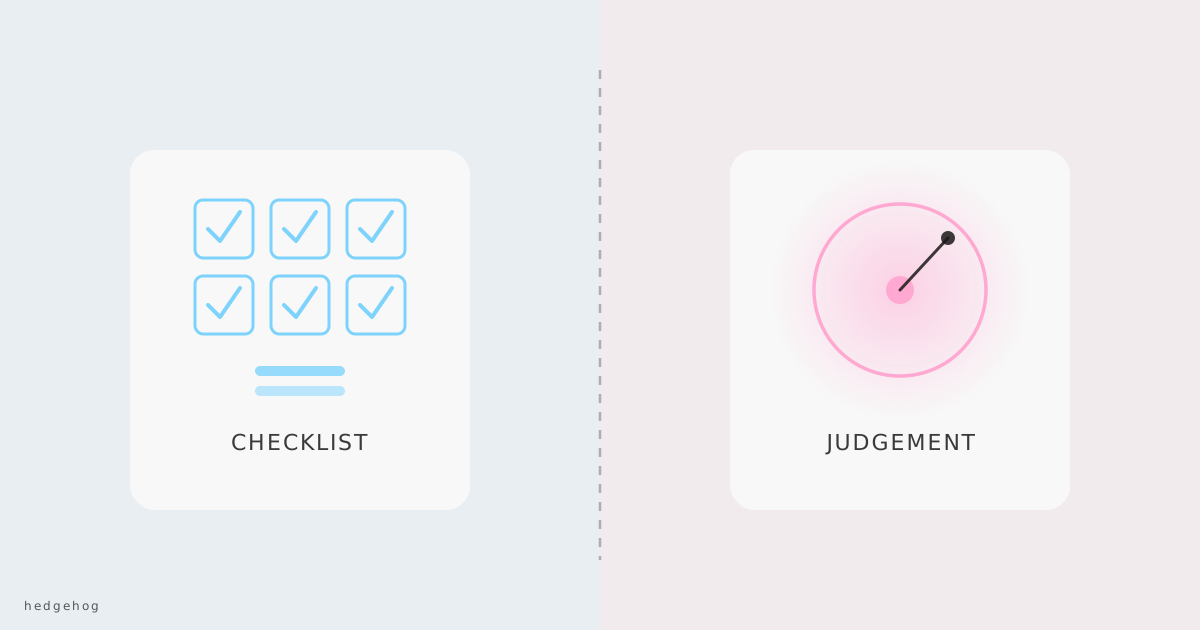
There's no judgement in that loop. No moment where they ask "does this creative actually fit what worked last quarter," no moment where they catch that the offer in the ad doesn't match what's on the landing page, no moment where they push back on a client brief that doesn't make commercial sense. It's a checklist. AI can run that checklist today, for a fraction of the cost, without ever getting sick of it. That role isn't being made "more efficient" by AI. It's being replaced by it, and pretending otherwise doesn't help anyone plan for it.
A Role That Isn't Going Anywhere (And Why)
Now picture the account lead on the same client. They know this particular client's industry has a quirk: a claim that sounds harmless but would breach an advertising code specific to that sector, because they've seen a competitor cop a complaint over almost the same wording. They know the client's actual commercial priority this quarter isn't what's written in the brief, because they were on the call where the owner mentioned cash flow was tight. When an AI-drafted campaign structure lands on their desk looking clean and complete, they're the one who says "this'll blow the budget in nine days because the client's peak season starts Thursday, not next month."
None of that is something you can prompt an AI into knowing. It's built from paying attention over time, asking the annoying follow-up question, and being willing to tell a client something they don't want to hear. That's the part of the job that was always the actual value. The execution around it was just the vehicle for delivering it.
What to Actually Do About It
If you run a team, the question isn't "how do we stop AI." It's "can everyone on this team say, specifically, what they add beyond producing the output." If the honest answer for a role is "they do the task," that role needs to change or it will get automated out from under you regardless of what you decide.
Start by using AI for exactly what it's good at (first drafts, structure, summaries, options) and freeing up your actual marketers to spend that time on the judgement calls: checking the AI's draft against what you know about this specific client, catching the assumption it got wrong, making the call it can't make. It's the job marketing was always supposed to be, minus the busywork that was never the point.
Frequently Asked Questions
Will AI replace marketing jobs completely?
No, but it will replace the parts of marketing jobs that were pure execution with no judgement attached. Roles built entirely on that kind of task are at risk.
What marketing skills can't AI replace?
Client and industry-specific knowledge, commercial judgement calls, relationship-building, and the willingness to push back on a bad idea. These come from context and trust, not from a prompt.
Should small businesses still use AI for marketing?
Yes. Used well, it's a genuine time-saver for drafting and structuring work. The risk is letting it run unchecked, with nobody applying judgement to what it produces.
How do I know if my own role is at risk?
Ask what you add beyond the task itself. If you can't answer with something specific to the client or the business, that's worth addressing before AI answers it for you.
Is this just about ad copy and campaigns?
No. The same pattern shows up in content, email, reporting, client comms: anywhere a task became routine enough that nobody was really thinking about it anymore.
Wrapping Up
AI is coming for the version of marketing that stopped being marketing a while ago: the copy-paste, don't-check, hit-publish version. If your team's value is in judgement, relationships, and knowing the client's business cold, AI makes you faster. If it isn't, no amount of new software is going to fix that.