The dashboard is full of numbers. Most of them don't matter.
Your follower count ticked down by seven. Your reach on last Tuesday's post was half what it was the week before. Your engagement rate dropped 0.3% for the month.
And somewhere in your chest, there's a small anxious feeling that things are going wrong.
Here's the problem: they probably aren't. The numbers making you anxious are the ones designed to make you anxious, not the ones that tell you whether your marketing is actually working.
Why Vanity Metrics Exist
Follower counts, likes, reach, and engagement rate didn't become the default social metrics because they're the most useful. They became the default because they're the most visible, they update constantly, and they give platforms a reason to keep you logged in.
Every time you open Instagram to check your stats, you're handing Instagram exactly what it wants: attention and time on platform. The metrics it shows you most prominently are the ones most likely to trigger a response. Either anxiety (I need to post more) or reward (that one got loads of likes). Both outcomes benefit the platform.
This is just how the incentives work. And if you understand that, you can stop letting those numbers drive your decisions.
What Vanity Metrics Actually Tell You
Follower count tells you how many accounts have opted in to see your content, not how many are interested, not how many are in your target market, and not how many will ever buy from you.
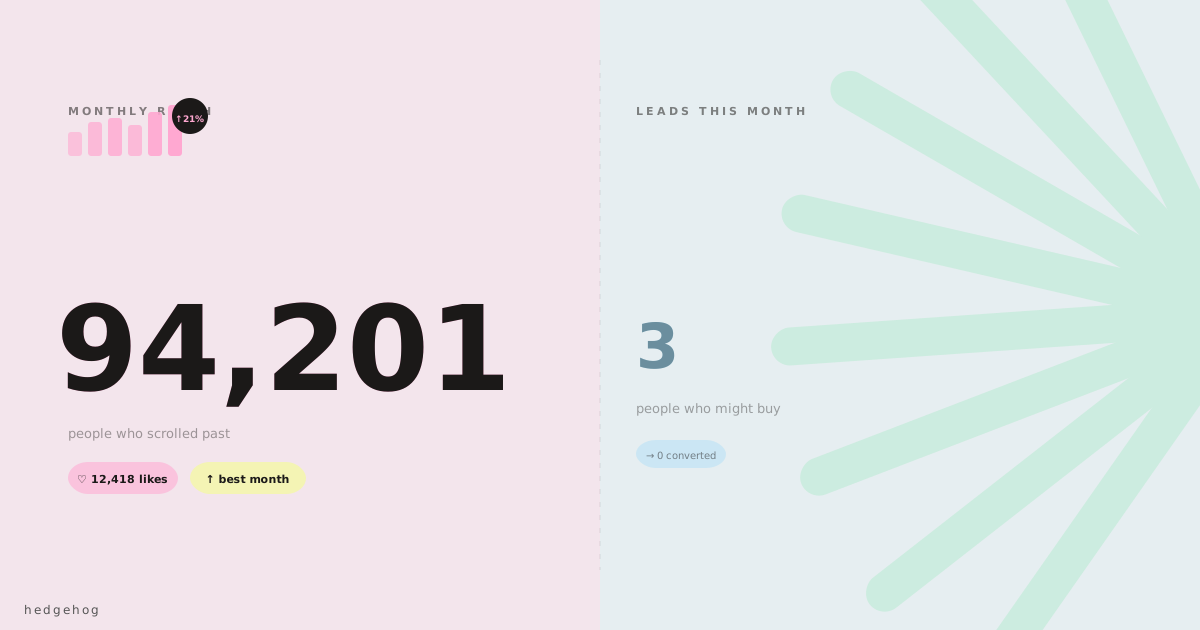
A tradie in Brisbane with 600 local followers who regularly generate enquiries is doing better social media marketing than a business with 40,000 followers generating zero leads. The numbers look completely different. The results don't.
Reach tells you how many accounts your content was shown to. It says nothing about whether anyone noticed, cared, or did anything as a result.
Engagement rate is perhaps the most obsessed-over metric on social, and also one of the least connected to business outcomes. Comments like “Love this!” and reaction emojis count toward your engagement rate. Conversions don't.
The Only Question Worth Asking
Before you look at any social metric, ask: does this number tell me whether social media is generating business for us?
If the answer is no, the number is context at best and noise at worst.
The metrics that actually answer that question look like this:
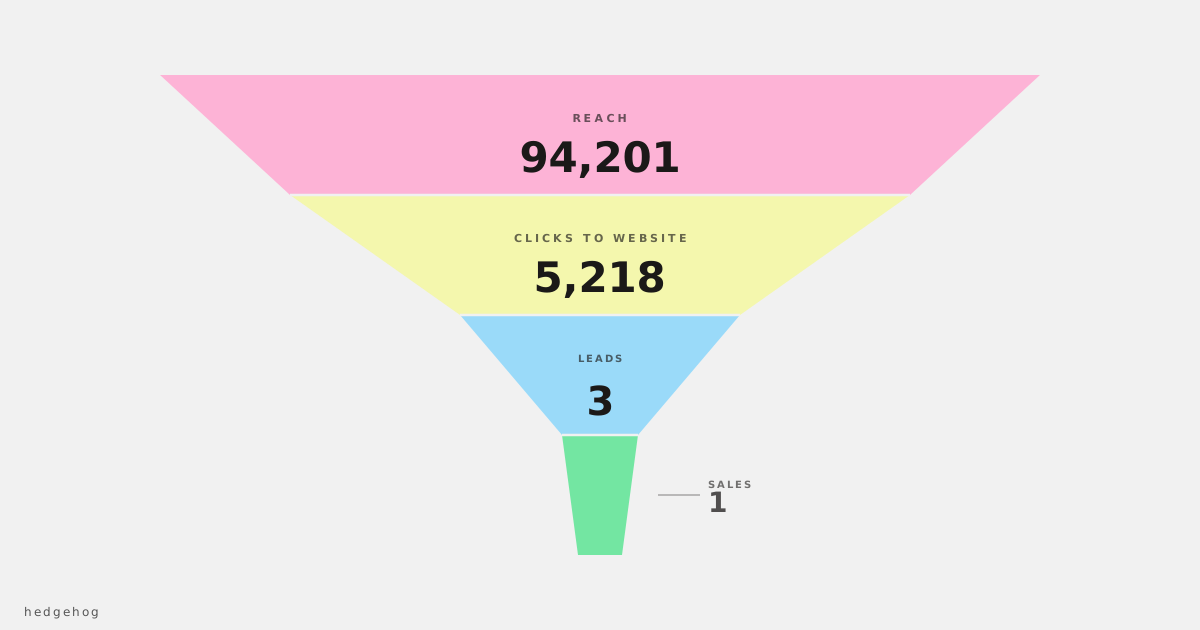
- How many people clicked through to our website from social this month?
- How many leads came from social: direct messages, form fills, calls that mentioned seeing us online?
- How many of those leads converted?
These numbers are harder to find and slower to move than follower count. That's exactly why they're worth tracking.
The Daily Checking Habit
If you're checking your social stats every day, or multiple times a day, you're not doing reporting. You're doing anxiety.
Daily numbers are too noisy to tell you anything useful. One post underperforms on Tuesday and you're questioning your entire content strategy. Another one does well on Thursday and you're suddenly convinced you've cracked the algorithm. Neither reaction is warranted.
Look at your social performance monthly. Set a time, pull the numbers that connect to business outcomes, compare to the previous month and to the same period last year. That's a reporting cadence. Everything else is just refreshing a page.
What to Do Instead
Pick two or three metrics that connect directly to business results and track only those. Website clicks from social. Lead volume attributable to social. Cost per lead if you're running paid social.
If you're not sure which to pick, start with website traffic from social, your GA4 traffic sources report will show this, and direct leads that mention social. Build from there.
The follower count can keep ticking up, ticking down, or doing whatever it likes. It's not your job to manage it. Your job is to make social media generate business. Those two goals are not the same thing.